 Clearwater Roofing
 Metal Roofing for Safety Harbor Homes
Safety Harbor sits close enough to Tampa Bay that homes here deal with a specific combination of stress most inland Florida roofs never see: salt-laden air off the water, long stretches of intense UV, sudden wind-driven downpours, and the real possibility of hurricane-force gusts during storm season. A metal roof, installed correctly, handles all four of those better than most other roofing materials available today. Installed poorly, it can turn into a maintenance headache faster than almost anything else on a house. The difference almost always comes down to the details of the install, not the material itself.
This page covers what metal roofing actually needs to hold up in Safety Harbor's climate, what a correct installation involves, and how we approach the job from first estimate to final walkthrough.
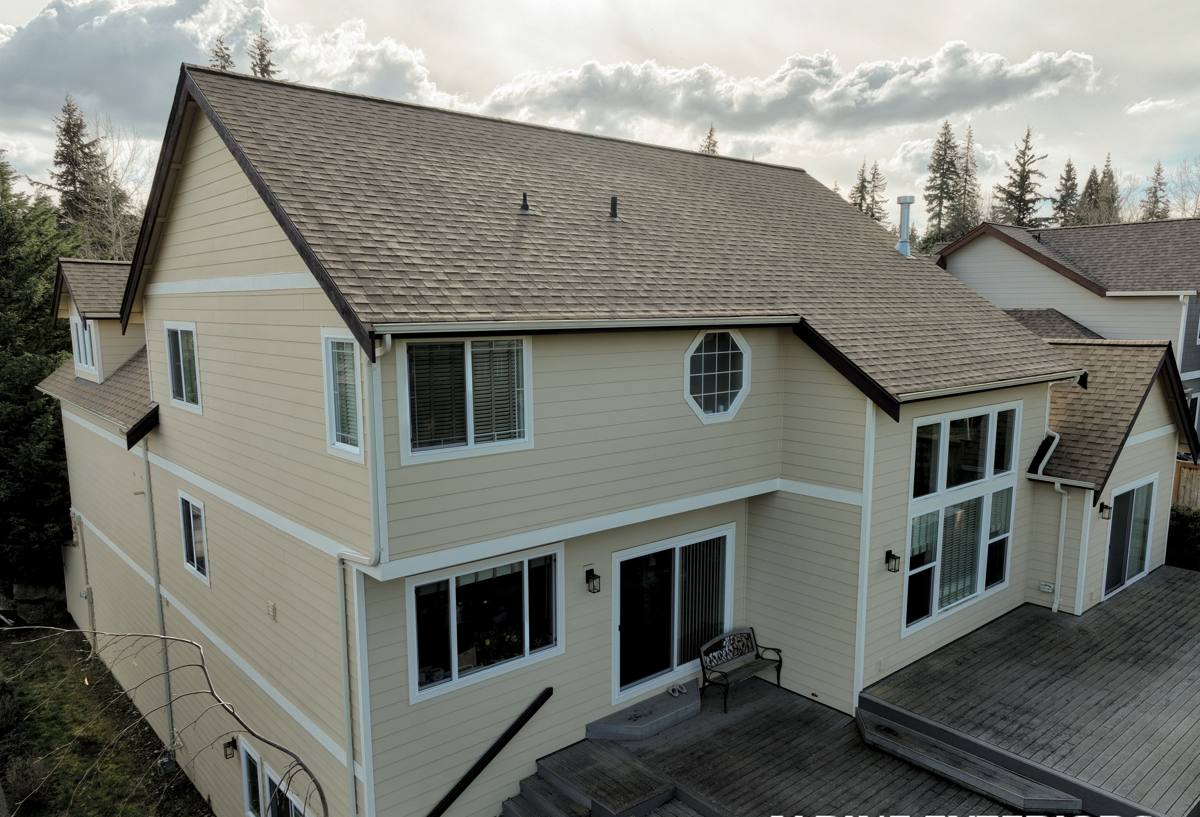
Why Safety Harbor's Climate Is Hard on Roofs
Pinellas County roofs work harder than roofs almost anywhere else in the country, and Safety Harbor's location near the water adds its own wrinkle on top of the usual Florida punishment list.
Salt Air and Corrosion
Proximity to Tampa Bay means airborne salt is a constant, low-level factor on homes in and around Safety Harbor. Salt accelerates corrosion on any metal that isn't properly coated, and it's especially unforgiving of cut edges, exposed fasteners, and dissimilar metals in contact with each other. This is one of the biggest reasons material choice and fastener choice matter more here than they would on a roof fifty miles inland.
UV Exposure
Florida gets sun nearly year-round, and UV breaks down coatings and sealants over time regardless of how good the underlying material is. A roof that looks fine after year one can start showing chalking, fading, or sealant breakdown by year five or six if the coating system wasn't rated for the exposure.
Wind-Driven Rain
Afternoon storms in this part of Florida don't fall straight down — wind pushes rain sideways and up under laps, flashing, and fastener heads. A metal roof's actual weather resistance comes almost entirely from how the panels, seams, and penetrations were detailed, not just the panel profile itself.
Hurricane-Force Wind
Pinellas County sits in a wind-borne debris region, and metal roofing has to be installed to the fastening schedules and uplift ratings that match the local wind zone. Panel gauge, fastener spacing, and clip type all factor into how a roof performs when gusts hit 100+ mph, and cutting corners on any of them is exactly how roofs fail in a storm.
What a Correct Metal Roof Install Involves
Metal roofing has a reputation for being low-maintenance and long-lived, and that reputation is earned — but only when the install is done right. Here's what we consider non-negotiable on a Safety Harbor home.
Deck Inspection and Prep
Metal doesn't hide a bad deck — it telegraphs every soft spot, unevenness, and old leak stain right through the panel. We inspect the deck before anything else goes down, replace any compromised sheathing, and make sure the surface is flat and sound before underlayment even goes on.
Underlayment Selection
A high-temperature, self-adhering underlayment (or a quality synthetic, depending on the panel system and roof pitch) gives you a real second line of defense if wind ever drives water past the panel laps. This layer matters more in coastal wind zones than almost anywhere else, since it's the backup when the primary weather barrier is stressed hardest.
Fastener and Flashing Details
This is where most metal roof failures actually start. Exposed-fastener systems need the right screw type, correct torque, and proper spacing so gaskets seal without over-compressing. Standing-seam systems rely on concealed clips that let the panel expand and contract with temperature swings without tearing loose. Flashing at valleys, walls, chimneys, and any roof penetration has to be layered correctly — this is the single biggest source of leaks on any roof, metal or otherwise, and it's where cutting corners shows up fastest.
Fastening for Wind Uplift
Panel gauge and fastening pattern need to match the wind uplift requirements for this area, not just a generic manufacturer minimum. This is a code and engineering question as much as an installation one, and it's worth confirming before work starts, not after.
Material Options for Coastal Conditions
Not every metal roofing product is a good fit for a home this close to Tampa Bay. The table below covers the tradeoffs we walk homeowners through most often.
| Option | Coastal Suitability | Key Tradeoff |
|---|---|---|
| Standing seam (concealed fastener) | Excellent | Higher upfront cost, but fewer long-term points of failure and better resistance to wind uplift |
| Exposed-fastener panel | Good, with maintenance | Lower cost, but gaskets and fasteners need periodic inspection and eventual replacement |
| Aluminum panels | Excellent for salt exposure | Naturally corrosion-resistant near the water, typically a premium option |
| Uncoated or lower-grade steel | Poor | We generally advise against this close to the bay — coating quality has to be matched to salt exposure or corrosion sets in early |
We don't push one system on every homeowner. The right choice depends on budget, the home's exposure to prevailing wind and salt, and how long you plan to own the property. Part of our estimate process is walking through this with you honestly, including where a mid-tier option is genuinely a reasonable choice and where it isn't.
Our Process on a Safety Harbor Metal Roof
- On-site inspection. We look at the existing roof, deck condition, flashing points, and any problem areas specific to the home before quoting anything.
- Honest estimate. You get a clear breakdown of material options, what each involves, and why we're recommending what we're recommending — no pressure to upsell to the most expensive system if it's not the right fit.
- Deck repair as needed. Any soft, water-damaged, or uneven decking gets addressed before underlayment goes down.
- Underlayment and flashing. Installed to match the exposure level of the home, with extra attention at valleys, walls, and penetrations.
- Panel installation. Fastened to the pattern and spacing appropriate for the local wind zone, with clean, straight panel lines and correctly detailed seams.
- Final walkthrough. We go over the completed roof with you, point out anything you should know for long-term maintenance, and answer questions before we consider the job done.
Homeowner Checklist: What to Ask Any Metal Roofing Contractor
- What panel gauge and fastening pattern will be used, and does it meet local wind uplift requirements?
- What underlayment is included, and is it rated for this climate?
- How are flashing details handled at valleys, walls, and roof penetrations?
- Is the crew installing the roof directly, or is the work being subcontracted out?
- What does the warranty actually cover — material only, or workmanship too?
- Are they licensed and insured to work in Pinellas County?
Why a Locally Experienced Crew Matters Here
Metal roofing installation isn't one-size-fits-all, and a crew that's worked roofs throughout the Clearwater area and Pinellas County knows the specific combination of wind exposure, salt air, and storm patterns that homes in Safety Harbor deal with. That local experience shows up in small decisions — fastener choice, flashing sequencing, underlayment selection — that don't show up on a spec sheet but make the difference between a roof that holds up for decades and one that starts causing problems in year three.
It also matters for things like permitting and code compliance, since wind uplift and fastening requirements are tied to local jurisdiction, not a national default.
Maintenance: What to Expect After Install
A correctly installed metal roof is genuinely low-maintenance, but "low" doesn't mean "zero." In this climate, we recommend:
- A visual check after major storms for loose fasteners, lifted panel edges, or debris buildup in valleys
- Periodic rinsing to clear salt residue and organic debris, especially on homes closer to the water
- Keeping gutters and downspouts clear so water isn't pooling or backing up under panel edges
- A professional inspection every few years to catch fastener or sealant wear before it becomes a leak
None of this is heavy upkeep — it's the kind of light attention that keeps a good install performing the way it's supposed to for its full lifespan.
Get a Straight Answer on Your Roof
If you're weighing metal roofing for a home in Safety Harbor, we're glad to come take a look and give you an honest read on what your roof actually needs — no pressure, no upsell, just a clear estimate based on the condition of your home and the realities of our local climate. Use the form below to request a free estimate.