 Clearwater Roofing
 Windows Built for What Seminole Actually Deals With
Seminole sits close enough to the Gulf that its homes take on the same punishment as the rest of coastal Pinellas County: salt-laden air that corrodes hardware, sun that bakes vinyl and seals for most of the year, sudden wind-driven downpours, and the real possibility of hurricane-force gusts during storm season. A window that works fine in a drier, calmer climate can start failing here within a few years — fogging between panes, sticking frames, soft spots where water has been sneaking in behind the trim. Custom windows done right account for all of that from the start, not as an afterthought.
"Custom" doesn't have to mean expensive or elaborate. It means the window is specified and built for your actual opening, your actual sun exposure, and your actual wind exposure — instead of a generic size and spec pulled off a shelf. For most Seminole homes, that's the difference between windows that need attention every year and windows you can genuinely forget about for a couple of decades.
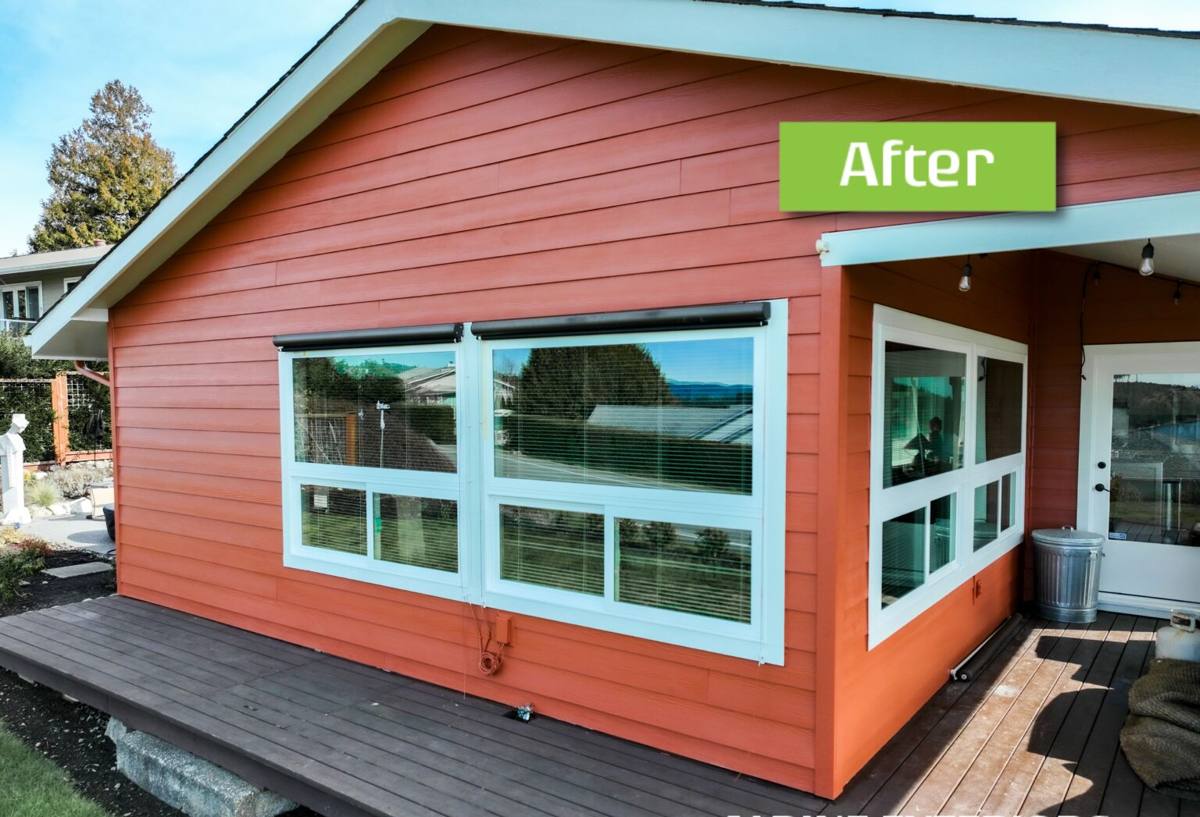
What "Custom" Means on a Real Job
When we say custom windows, we mean the whole package is matched to the house, not just the glass swapped out in an existing frame. That includes:
- Exact measurement of each opening — older Seminole homes are rarely perfectly square, and forcing a stock-size window into an out-of-square opening is how leaks start
- Frame material selected for your exposure (more direct sun and salt air on some elevations than others)
- Glass package chosen for solar heat gain, sound, and impact resistance based on the room and orientation
- Grid pattern, color, and hardware finish matched to the home's style, inside and out
- Flashing and water-management detailing designed for wind-driven rain, not just vertical rain
Skipping any one of these is how a homeowner ends up with a window that looks right on day one but performs poorly by year three.
Impact-Rated vs. Standard Windows
This is the biggest decision on most jobs, and it affects everything downstream — cost, appearance, code compliance, and what you do (or don't do) before a storm. Here's how the two approaches actually compare for a home in this part of Pinellas County:
| Factor | Impact-Rated Windows | Standard Windows + Shutters |
|---|---|---|
| Storm prep | None — window itself is the protection | Shutters must be installed before every storm |
| Daily appearance | Unchanged, no visible hardware | Clean until shutters go up |
| UV and heat performance | Laminated glass blocks significant UV and heat | Depends on glass package alone |
| Noise reduction | Noticeably quieter, especially near busier roads | Standard glass, less sound dampening |
| Upfront cost | Higher per opening | Lower window cost, added shutter cost |
| Long-term maintenance | Minimal — sealed laminated unit | Shutter tracks and hardware need upkeep |
Neither option is wrong. Some homeowners are perfectly happy putting up shutters before a named storm and taking them down after. Others want to stop thinking about it entirely. We'll walk through both honestly rather than pushing whichever is more profitable for us — that's your call to make with real numbers in front of you.
Frame and Glass Choices That Hold Up Near the Gulf
Frame material
Vinyl, aluminum, and fiberglass are all viable in this climate, but they behave differently under sun and salt exposure. Vinyl is affordable and low-maintenance but can expand and contract more in direct, intense sun over many years. Aluminum is strong and slim-profile but needs a good coastal-grade finish to resist corrosion from salt air. Fiberglass costs more upfront but tends to hold its shape and finish the longest with the least attention. We'll factor in which elevation of your home gets the harshest sun and weather before recommending one over another — a west-facing wall and a shaded north wall don't need the same spec.
Glass packages
Beyond impact resistance, glass is where a lot of the day-to-day comfort comes from. Low-E coatings cut down on solar heat gain, which matters year-round here, not just in summer. Laminated glass (standard in impact-rated units) also does double duty on sound and UV blocking, which helps protect flooring and furniture from fading. For rooms that don't need full impact glass, we still recommend at minimum a quality Low-E package — the UV load in this part of Florida is relentless.
Hardware and finishes
Salt air is hard on cheap hardware. Locks, hinges, and cranks that aren't rated for coastal exposure can corrode and seize within a few years, even if the window itself is fine. This is a small line-item that's easy to overlook and expensive to ignore.
How the Installation Process Works
- On-site assessment — we look at each opening, note framing condition, sun exposure, and any existing water damage before quoting anything
- Precise measurement — every opening is measured individually; nothing is assumed to match room to room
- Product selection — we go over frame, glass, and impact-rating options based on that specific opening and your priorities
- Old window removal — done carefully to check the condition of the framing and sill underneath before anything new goes in
- Correct flashing and sealing — this is the step most responsible for whether a window leaks in five years, and it's the step most often rushed by less careful crews
- New window installation and leveling — shimmed and squared properly, not just caulked into place
- Interior and exterior finish work — trim, caulk lines, and paint touch-up so it looks finished, not patched
- Final walkthrough — every window opens, closes, and locks the way it should before we call the job done
Most single-family window jobs take anywhere from one day to about a week depending on how many openings are involved and whether any framing repair is needed once the old windows come out.
Signs Your Current Windows Are Already Failing
A lot of Seminole homeowners live with window problems for years before addressing them, mostly because the signs show up gradually. Worth checking for:
- Fogging or haze between panes of double-pane glass (a broken seal, not something that can be cleaned off)
- Windows that are difficult to open, close, or lock — often a sign of frame warping or settling
- Visible gaps around the frame, or daylight showing at the corners
- Soft or discolored drywall, trim, or sill area near the window
- A noticeable draft or temperature difference standing near the window
- Rattling or whistling during windy conditions
- A jump in cooling costs without any other explanation
Any one of these is worth a look. Several at once usually means it's more cost-effective to replace than keep patching.
Code Requirements and Permitting
Window replacement and new installations in Pinellas County fall under the Florida Building Code's wind-borne debris protection requirements, which govern what level of impact resistance (or approved alternative protection) is required based on your specific location and the size of the opening. Permitting is typically required for window replacement, and the work needs to be inspected and signed off — this isn't optional paperwork, it's what protects you if there's ever an insurance claim or a future home sale. We handle the permitting and inspection coordination as part of the job rather than leaving it for the homeowner to sort out.
Maintenance That Actually Extends Window Life
Even good windows need occasional attention in this climate. A few habits go a long way:
- Rinse frames and hardware periodically to clear off salt residue, especially on homes closer to the water
- Check and clean weep holes so water can drain out instead of pooling in the frame track
- Lubricate locks and cranks on operable windows once or twice a year
- Inspect caulk lines annually and re-caulk before you see a gap, not after
- Have any fogged or foggy-looking panes checked promptly — a failed seal only gets worse
Why It Matters to Hire a Crew That Already Works This Area
Window installation is one of those jobs where the difference between "fine" and "right" isn't visible until years later, when a poorly flashed window starts leaking into the wall cavity or a cheap frame starts failing under coastal sun. A crew that regularly works Seminole and the surrounding Pinellas County communities has already seen how homes here age under this specific combination of wind, sun, rain, and salt — and specs and installs accordingly instead of treating every job like it's in a different climate. That local familiarity shows up in the details: the flashing approach, the hardware grade recommended, the honest conversation about impact glass versus shutters based on what actually makes sense for your home and budget.
If your windows are aging, underperforming, or you're planning a renovation that includes new openings, we're glad to take a look and talk through what makes sense for your home — no pressure, no pushy upsell. Reach out using the form below for a free estimate.