 Clearwater Roofing
 Siding in Coachman Ridge Has to Work Harder Than Siding Almost Anywhere Else
Coachman Ridge is a settled, tree-lined residential neighborhood in Clearwater, tucked into Pinellas County's dense mix of coastal and near-coastal communities. That location is a big part of what makes this such a good place to live — and also exactly why the exterior of a home here takes more punishment than the same house would in most parts of the country. Even homes that never see storm surge or flooding still sit inside a climate that stresses siding constantly: high humidity almost year-round, intense UV exposure, wind-driven rain that pushes water sideways into seams and laps, and a steady drift of salt-laden air off Tampa Bay and the Gulf. Add Florida's hurricane season and the wind-load requirements that come with it, and siding in this area isn't a cosmetic layer — it's a weather system that has to perform correctly every day, not just look good on installation day.
That combination is why so many siding problems in this part of Clearwater don't show up as obvious storm damage. They show up as slow failures: soft spots around window trim, bubbling or peeling paint on lap seams, warping near the bottom courses, or a musty smell in an exterior wall months before anyone sees visible rot. By the time it's visible, moisture has usually been working behind the siding for a while.
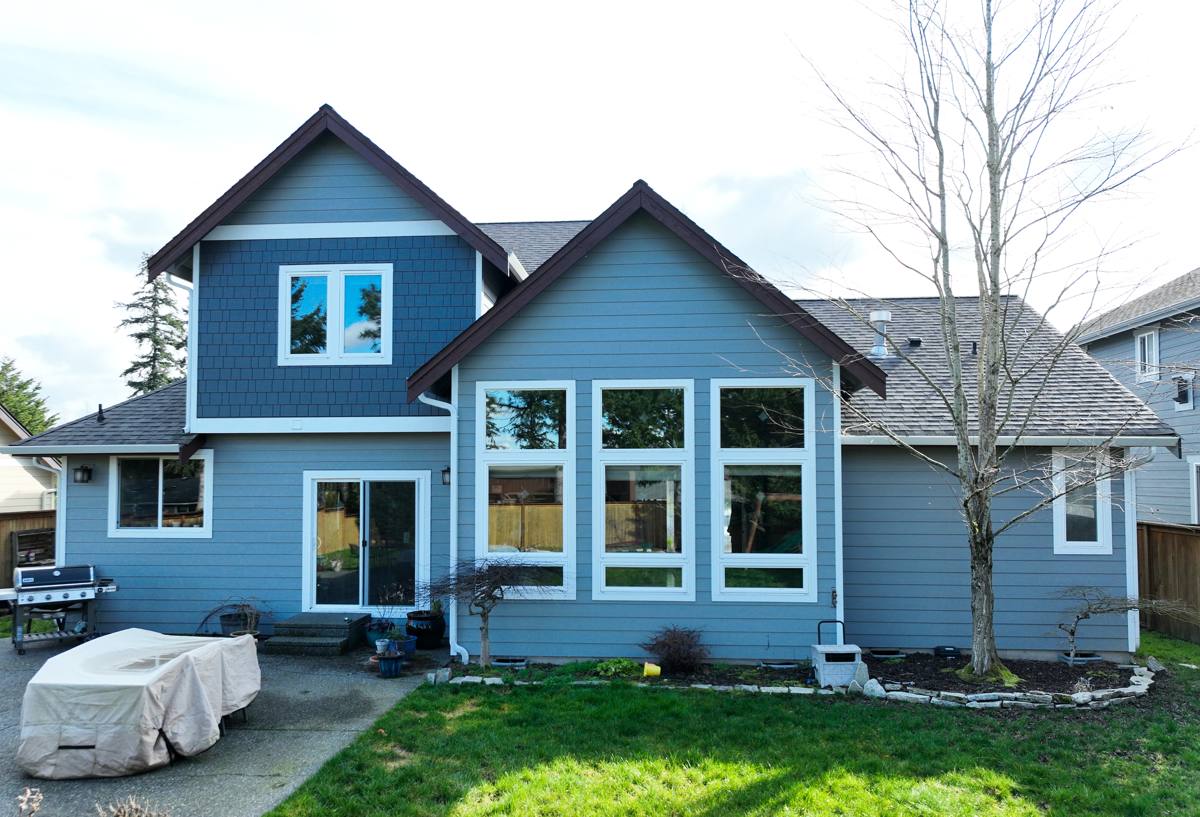
Signs a Coachman Ridge Home Needs Siding Attention
Before any installation conversation, it's worth knowing what to look for on your own home. None of these are emergencies by themselves, but together they tell you whether your siding is still doing its job.
- Paint that's peeling, chalking heavily, or bubbling — especially on south- and west-facing walls that take the most sun
- Panels or boards that feel soft, spongy, or flex when pressed near the bottom edge or around windows
- Visible gaps, warping, or buckling at seams and butt joints
- Streaking, staining, or a greenish film that keeps returning shortly after cleaning
- Caulk that's cracked, shrunk, or pulled away from trim and corners
- A musty smell near exterior walls, or interior drywall that feels cool or damp to the touch
What a Correct Siding Installation Actually Involves
Siding installation is often talked about like it's a cosmetic upgrade — pick a color, nail up new panels, done. In a climate like this one, that's a good way to end up replacing siding again in half the time it should last. A correct installation is really a water-management system, and every layer matters.
Moisture Management Behind the Siding
What's underneath the visible siding matters as much as the siding itself. A proper weather-resistive barrier, correctly lapped and sealed at every seam, gives water a path down and out instead of a path in. Skipping or rushing this step is one of the most common reasons siding that "looks fine" is quietly rotting the sheathing behind it.
Fastening for Wind Load
Pinellas County sits in a high-wind zone, and fastening patterns that work fine in a calmer climate can fail here. Correct nail or screw placement, spacing, and embedment depth aren't optional details — they're what keeps siding attached during the wind events this area sees regularly, hurricane or not.
Trim, Flashing, and Penetrations
Windows, doors, hose bibs, light fixtures, vents — every penetration through the siding is a potential entry point for water if it isn't flashed and sealed correctly. This is where a lot of shortcut installations fail first, because it's slower, more detailed work than running long, straight courses of siding.
Why We Install Only James Hardie Fiber Cement
We made a deliberate decision to install one siding system on Clearwater homes: James Hardie fiber cement. We don't install vinyl, LP SmartSide, or other fiber cement brands, and that's not a marketing preference — it's what years of working exteriors in this exact climate have taught us holds up.
Fiber cement is non-combustible and dimensionally stable, meaning it doesn't expand, contract, or warp with Florida's heat and humidity swings the way wood-based or vinyl products can. James Hardie's HZ5 product line is specifically engineered for high-humidity, storm-prone climates like ours, and the factory-applied ColorPlus finish is baked on under controlled conditions rather than field-painted — which matters enormously under year-round UV exposure, since factory finishes resist fading and chalking far longer than site-applied paint. It also carries a strong, transferable warranty backed by a manufacturer with decades of track record in coastal markets, not just a regional distributor.
None of this means other products are junk — vinyl and engineered wood sidings have real uses and real advocates. But for what Coachman Ridge homes are exposed to — sun, salt, wind, and driving rain, sometimes all in the same afternoon — we don't think they hold up as well as fiber cement over the long run, and we'd rather install one product correctly than several products with more compromises.
Our Installation Process
Every job follows the same sequence, whether it's a full re-side or a section replacement after damage.
- On-site assessment. We walk the exterior, check the current siding and substrate for hidden moisture or rot, and measure for material.
- Substrate repair. Any damaged sheathing or framing found during tear-off gets repaired before new siding goes up — covering rot with new siding just hides the problem.
- Weather barrier installation. A house wrap or weather-resistive barrier is installed and properly lapped and sealed at every seam and penetration.
- Flashing at windows, doors, and penetrations. Every opening gets flashed before siding closes it in.
- James Hardie installation to manufacturer spec. Correct fastener type, spacing, clearances from grade and roof lines, and joint treatment, following Hardie's published installation requirements for our wind zone.
- Trim, caulking, and final detailing. Corners, trim boards, and joints are sealed with products rated for this climate.
- Final walkthrough. We review the finished work with you before calling the job complete.
What Affects the Cost of a Siding Installation
Every home is different, so we don't publish flat pricing — but these are the main factors that move the number up or down on a typical Coachman Ridge project.
| Factor | Why It Matters |
|---|---|
| Amount of substrate repair needed | Rot or moisture damage found during tear-off has to be fixed before new siding goes on |
| Home size and wall complexity | More corners, gables, and dormers mean more cutting, flashing, and labor time |
| James Hardie product line and profile | Lap siding, shingle-style panels, and board-and-batten carry different material costs |
| Trim and detail work | Window and door trim, fascia, and soffit work add scope beyond the flat wall areas |
| Full re-side vs. partial repair | Section replacement can cost less upfront but should be matched carefully for color and profile |
Why It Matters That We Already Work in This Neighborhood
A crew that's worked Coachman Ridge and the surrounding Clearwater neighborhoods knows the practical realities that don't show up in a spec sheet: what Pinellas County's permitting and inspection process actually requires, how homes of a certain age here tend to be built, and what wind-load fastening standards apply to this part of the county. That familiarity shortens the guesswork on your project and reduces the chance of a failed inspection or a callback for something that should've been caught the first time.
It also means we're not guessing at how the local climate treats a given product over time — we've seen how different siding choices hold up on real homes a few streets over, through real Florida summers and real storm seasons, not just in a manufacturer's brochure.
Keeping Your New Siding Performing Long-Term
James Hardie siding is low-maintenance, not no-maintenance. A little attention keeps it performing the way it's designed to for decades.
- Rinse the exterior periodically to remove salt residue and organic growth, especially on shaded or north-facing walls
- Inspect caulking around windows, doors, and trim yearly and re-caulk if it's cracked or pulled away
- Keep sprinklers and irrigation heads from spraying directly onto siding
- Trim back landscaping that traps moisture against exterior walls
- Have any impact damage from debris or storms inspected promptly rather than left to sit
If you're seeing early warning signs on your Coachman Ridge home, or you're just ready to stop patching siding that was never right for this climate to begin with, we're happy to take a look. Fill out the form below for a free, no-pressure estimate — we'll walk the exterior with you and tell you honestly what we find.