 Clearwater Roofing
 Siding in Del Oro Works Harder Than It Looks
Del Oro is a quiet residential pocket of Clearwater, and like the rest of Pinellas County, it sits fully exposed to everything the Gulf throws at it over the course of a year. Siding here isn't just a cosmetic layer — it's the first line of defense against hurricane-force wind gusts, sideways rain that gets driven under poorly sealed edges, UV exposure strong enough to break down pigments and resins, and a steady drift of salt-laden air that corrodes fasteners and accelerates wear on anything not built for coastal service. A siding system that would hold up fine in a drier, cooler climate can fail early here, and the failure is usually invisible until it isn't — moisture gets behind the cladding long before a homeowner sees a problem on the surface.
That's the case for treating siding replacement as a system-level decision, not just a materials swap. The right product, installed the right way, with the right water management details underneath it, is what actually protects a Del Oro home for the long haul.
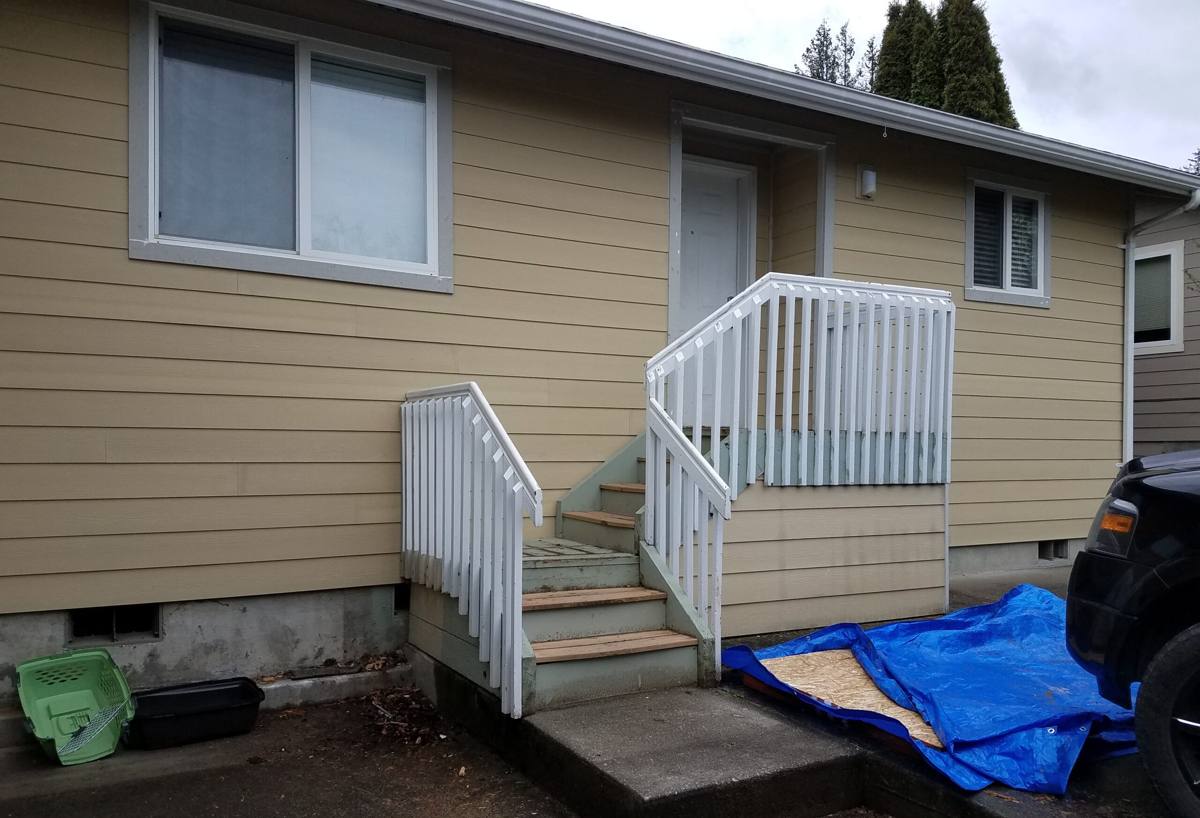
What Del Oro Homes Typically Need From Their Siding
Like much of Clearwater, Del Oro includes a mix of home ages and construction styles, so we don't assume one siding history applies to every house. What's consistent across the neighborhood is the exposure: full Florida sun for most of the year, a hurricane season that runs June through November, and a humid, salt-tinged coastal air mass that doesn't let up. Any siding replacement in this area needs to account for three things at once — wind resistance, moisture management, and long-term resistance to UV and salt, rather than just matching whatever was on the house before.
Wind and Storm Exposure
Pinellas County's wind-load requirements exist for a reason. Siding that isn't rated, fastened, and flashed correctly for local wind zones can lift, crack, or peel away in a strong storm — and once a section fails, wind-driven rain has a direct path into the wall assembly.
Moisture and Humidity
Florida's humidity doesn't give wood-based or wood-adjacent products much of a break. Materials that absorb moisture, swell, or support rot need consistent maintenance to survive here, and a missed year of upkeep can turn into a hidden moisture problem behind the wall.
UV and Salt Air
Constant sun bleaches paint and breaks down lower-grade coatings faster than most homeowners expect, and salt air adds a corrosive element that eats away at fasteners, trim, and unprotected edges over time.
Signs a Del Oro Home Needs Siding Replacement
Not every siding issue calls for full replacement, but certain signs mean patching is no longer the right answer. If you're seeing several of these at once, it's worth getting an honest assessment rather than continuing to spot-repair.
- Visible warping, buckling, or separation at seams and corners
- Soft spots or a spongy feel when you press on the siding, especially near the bottom courses
- Paint that won't hold — repeated peeling or blistering within a year or two of repainting
- Cracking or splitting that follows a pattern across multiple panels, not just isolated damage
- Rising energy bills with no other explanation, which can point to compromised insulation behind failing siding
- Visible mold, mildew, or a persistent musty smell near exterior walls
- Fastener rust stains bleeding through the surface
What a Correct Siding Replacement Actually Involves
Siding replacement done right is mostly about what happens before the new cladding ever goes up. Skipping these steps is the single biggest reason siding underperforms in coastal climates, regardless of the brand on the panel.
Full Tear-Off and Substrate Inspection
We remove the old siding down to the sheathing and inspect for rot, delamination, or hidden moisture damage. Any compromised sheathing gets addressed before anything new is installed — covering over a damaged substrate just hides the problem for a future owner to find.
Water-Resistive Barrier and Flashing
A correctly lapped weather-resistant barrier, along with proper flashing at windows, doors, and any wall penetrations, is what actually keeps wind-driven rain out of the wall assembly. This layer matters more in Clearwater than in most inland markets, because the storms here push rain horizontally, not just down.
Fastening to Manufacturer and Wind-Zone Specs
Fastener type, spacing, and placement all affect how siding performs in high wind. We install to the manufacturer's specifications for our wind zone rather than treating fastening as a formality — it's one of the few details that isn't visible after the job is done but shows up immediately if a hurricane comes through.
Trim, Caulking, and Finish Detail
The small details — corner trim, caulk joints, and finish transitions — are where a lot of long-term moisture problems start if they're rushed. Careful finish work is what keeps water from finding a way in around openings and edges.
Why We Install Only James Hardie Fiber Cement
We made a deliberate decision as a company to install James Hardie fiber cement siding exclusively, and we don't install vinyl, LP SmartSide, Cemplank, Allura, or primed wood products like spruce or cedar. That's not a marketing position — it's a standard we hold because of how these materials actually perform under Florida conditions over a full ownership cycle, not just in the first few years.
| Material | Common Trade-Off in Coastal Florida |
|---|---|
| Vinyl siding | Can warp or become brittle under sustained heat and UV; lower wind ratings than fiber cement in many product lines |
| LP SmartSide / engineered wood | Wood-strand core is more sensitive to sustained humidity and moisture intrusion if any seal or joint fails |
| Primed spruce or cedar | Natural wood requires disciplined repainting and sealing on a strict schedule to resist rot and insect damage in humid climates |
| Other fiber cement brands (Cemplank, Allura) | Can be a reasonable fiber cement product, but we've standardized on one system so our crews, warranty process, and finish are consistent on every job |
| James Hardie fiber cement | Non-combustible, engineered for high-humidity climates (HZ product lines), factory-applied ColorPlus finish, backed by a strong transferable warranty |
James Hardie's HZ5 product line is engineered specifically for high-humidity, high-moisture climates like ours, which is a meaningful difference from siding designed as a one-size-fits-all national product. The ColorPlus factory finish also matters in a market like Clearwater — it's baked on and warrantied against fading and peeling in a way that field-applied paint on other materials generally isn't, which reduces the repainting cycle that eats into a lot of homeowners' maintenance budgets over time.
Our Process, From Estimate to Finished Job
We keep the process straightforward and communicate at each stage so there are no surprises partway through the project.
- On-site assessment — we walk the exterior, check the substrate where accessible, and talk through what we're seeing with you directly.
- Written estimate — a clear scope and price, with no pressure to sign on the spot.
- Scheduling — we plan around Florida's weather patterns and let you know realistic timing.
- Tear-off and substrate repair — old siding comes off, damaged sheathing gets replaced, and the wall is prepped correctly.
- Weather barrier, flashing, and installation — the Hardie system goes on to manufacturer and local wind-zone specifications.
- Final walkthrough — we go over the finished job with you before calling it complete.
Why Local Experience in Del Oro Matters
A crew that regularly works in Del Oro and the surrounding Clearwater neighborhoods already understands the practical realities of the area — the wind-load expectations for Pinellas County permitting, how salt air behaves on exposed fasteners and trim over time, and how storms typically move through this part of the Gulf coast. That familiarity shows up in small decisions on the job: how flashing gets detailed around openings, how fastening is handled on more exposed elevations, and how the finished job is expected to perform three, five, and ten years down the road, not just on installation day.
It also means a shorter feedback loop if a question comes up after the job is done. A contractor with an established presence in the area isn't starting from scratch on local wind requirements or climate behavior every time — that experience is baked into how the job gets planned and executed from the first estimate.
What Affects Siding Replacement Cost
Every home is different, but the factors below are what typically move the price on a siding replacement project in this area. We don't publish fixed pricing because these variables genuinely change the scope of work.
| Factor | Why It Affects Cost |
|---|---|
| Home size and elevation count | More square footage and more complex rooflines mean more material and labor |
| Substrate condition | Hidden rot or moisture damage found during tear-off requires repair before new siding goes on |
| Trim and detail work | Homes with more corners, windows, and architectural detail take more time to finish correctly |
| Product selection within the Hardie line | Plank profile, texture, and color options carry different material costs |
| Access and site conditions | Landscaping, fencing, or tight lot lines can affect how efficiently a crew can work |
If you're weighing whether to repair or replace, or you just want an honest read on what your Del Oro home's siding actually needs, we're happy to take a look and give you a straightforward, no-pressure estimate — just fill out the form below.