 Clearwater Roofing
 Windows Built for Skycrest's Older Housing Stock
Skycrest is one of Clearwater's established residential neighborhoods, and like most of Pinellas County's older communities, a lot of the homes here are still running on windows that were never designed for the conditions they're facing today. Single-pane aluminum-frame windows were standard for decades in Central Florida construction, and while they held up structurally, they were never energy performers. If your Skycrest home still has its original or a first-generation replacement window, there's a good chance it's working against your air conditioning system every single day.
Energy-efficient windows aren't a luxury upgrade in this part of Florida — they're a practical response to a climate that punishes weak points. Between the UV load, the humidity, and the wind, a window that isn't built and installed correctly will underperform fast, and homeowners end up paying for that in utility bills, comfort complaints, and premature failure.
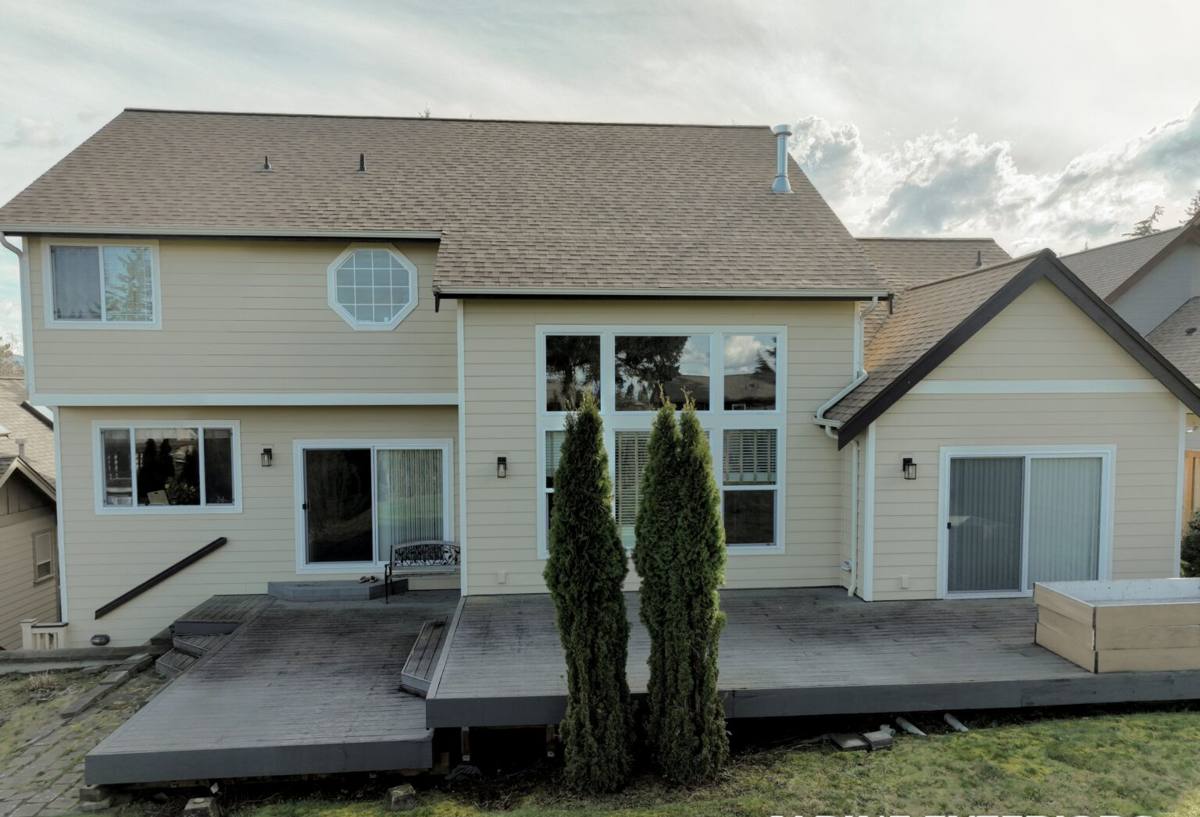
What Clearwater's Climate Actually Does to a Window
We install and repair windows across Clearwater and Pinellas County, and the failure patterns we see are consistent because the climate stressors are consistent. A correctly specified window for Skycrest has to account for several things at once:
- Intense, year-round UV exposure — Florida sun degrades low-quality glazing seals, discolors vinyl frames, and breaks down cheap weatherstripping far faster than it would in a milder climate.
- Wind-driven rain — Afternoon storms don't fall straight down here; they get pushed sideways into window assemblies. Poor flashing or an undersized sill pan will let water in over time, even if the window itself is rated well.
- Salt air — Clearwater's proximity to the Gulf means airborne salt reaches inland neighborhoods like Skycrest too. Salt accelerates corrosion on hardware, fasteners, and lower-grade aluminum components.
- Hurricane-force wind events — Pinellas County sits in a wind-borne debris region under Florida Building Code. Windows here need a wind and impact rating that matches the code zone, not just a national "energy efficient" label.
- High ambient humidity — Interior condensation and seal failure show up faster in Gulf Coast humidity than in drier climates, especially on lower-quality insulated glass units.
An energy-efficient window that ignores any one of these factors is a window that will need attention again within a few years, not a couple decades.
What "Energy-Efficient" Actually Means for a Skycrest Home
It's Not Just the Glass
A lot of homeowners assume energy efficiency is purely about the glass coating. Glass matters, but it's one part of a system. The frame material, the spacer between glass panes, the installation flashing, and the sealant all contribute to how much heat, humidity, and UV actually gets through to your living space. A premium low-E glass package installed with poor flashing and gaps around the frame will still leak conditioned air and let humidity intrude — the whole assembly has to work together.
Low-E Coatings and Gas Fills
Low-emissivity (low-E) coatings are thin, virtually invisible layers that reflect infrared heat while still letting visible light through. In a hot climate like ours, the priority is a low-E coating tuned to reject solar heat gain, not one optimized for cold-climate heat retention — using the wrong low-E spec is a common mistake with out-of-market suppliers. Insulated units filled with argon or krypton gas between the panes add another layer of thermal resistance, reducing how much heat transfers through the glass into the house.
Frame Material Trade-Offs
Vinyl, fiberglass, and aluminum frames all perform differently in Gulf Coast conditions:
| Frame Type | UV/Heat Behavior | Maintenance | Typical Fit for Skycrest |
|---|---|---|---|
| Vinyl | Good insulator, can expand/contract with heat cycling | Low — no painting, won't corrode | Common, cost-effective choice for most homes |
| Fiberglass | Excellent dimensional stability under UV and heat | Low, holds paint well if color changes are wanted | Strong option for west-facing or high-sun exposures |
| Aluminum (thermally broken) | Conducts heat unless properly broken, but very strong | Moderate — needs corrosion-resistant hardware near salt air | Best where wind load and structural strength are the priority |
We don't push one frame material on every job. The right choice depends on your home's exposure, the window openings you're working with, and your budget — and we'll walk through that honestly rather than upselling a package you don't need.
Energy-Efficient vs. Impact-Rated: You Often Need Both
In Pinellas County, energy efficiency and wind/impact resistance aren't separate decisions — for most Skycrest homes, current code and practical durability point toward windows that do both. Here's how the two categories generally compare:
| Feature | Standard Energy-Efficient Window | Impact-Rated Energy-Efficient Window |
|---|---|---|
| Glass construction | Insulated dual-pane, low-E coated | Laminated insulated glass with low-E coating |
| Storm protection | None built-in; needs separate shutters or panels | Resists wind-borne debris without added coverings |
| Energy performance | Strong, if properly installed | Comparable or better due to added lamination layer |
| Upfront cost | Lower | Higher |
| Long-term value in Clearwater | Good for interior/low-exposure openings | Better overall value where wind zone and exposure demand it |
We'll tell you plainly which openings on your Skycrest home genuinely need impact-rated glass and which don't, based on exposure and code requirements — not a blanket sales pitch.
How a Correct Window Install Actually Works
Most window energy loss and water intrusion problems we get called out for aren't caused by bad windows — they're caused by a rushed or incomplete installation. A correct job includes:
- Accurate measurement of each opening — Older Skycrest homes often have openings that have shifted slightly over decades; assuming uniform sizing leads to gaps.
- Removal down to the rough opening — Not just swapping glass into an old frame. We check the framing and sill for rot, moisture damage, or prior water intrusion before anything new goes in.
- Proper flashing and sill pan installation — This is the single biggest factor in whether wind-driven rain stays out over the life of the window.
- Correct fastening per manufacturer and code spec — Especially critical for wind load transfer in our storm zone.
- Sealant and weatherstripping done right — Continuous, gap-free sealant beads and properly seated weatherstripping are what actually stop conditioned air from escaping.
- Interior and exterior finish work — Trim, caulking, and paint touch-up so the install looks finished, not patched.
Skip any of these steps and you can end up with a well-rated window that still performs poorly, leaks, or fogs between the panes within a few years.
Signs Your Skycrest Home's Windows Are Costing You Money
- Rooms near certain windows feel noticeably hotter than the rest of the house during afternoon sun
- Condensation or fogging between the glass panes (a sign the seal has failed)
- Visible daylight or air movement around the frame when it's closed
- Difficulty opening, closing, or locking — often a sign the frame has warped from heat cycling
- Rising cooling bills without a clear cause elsewhere in the home
- Fading furniture, flooring, or curtains near windows, indicating high UV transmission
- Musty smell or soft spots on the interior sill, pointing to past water intrusion around the frame
If you're seeing two or more of these, it's worth having the windows assessed rather than waiting for a full failure.
What Drives Cost on a Skycrest Window Project
| Factor | Why It Matters |
|---|---|
| Number and size of openings | More and larger windows mean more material and labor |
| Impact rating requirement | Laminated impact glass costs more than standard insulated glass |
| Frame material | Vinyl, fiberglass, and aluminum carry different material costs |
| Extent of rough opening repair | Rot or moisture damage found during removal adds labor |
| Window style | Fixed picture windows are simpler than operable casement or double-hung units |
| Access and second-story work | Upper-floor or hard-to-reach openings add labor time |
We won't quote a per-window number without seeing the openings, but we can give you a realistic sense of range once we've walked the home — most Skycrest projects fall into a broad mid-range for standard energy-efficient units, with impact-rated glass adding a meaningful premium per opening.
Why Local Experience in Skycrest Matters
A window crew that regularly works Clearwater neighborhoods like Skycrest already knows the housing stock — the common frame sizes, the typical rough-opening quirks in homes of this era, and how Pinellas County permitting and inspection process works for window replacement. That familiarity shows up in fewer surprises during the job and fewer callbacks after. We also know which glass and frame combinations actually hold up to a full Gulf Coast hurricane season versus which ones look fine on a spec sheet but struggle after a few years of real exposure.
Being local also means we're not disappearing after the install. If a seal ever needs attention or a lock mechanism needs adjustment, we're a phone call away, not a national installer who's moved on to the next region.
Before You Commit: A Homeowner's Checklist
- Confirm the wind/impact rating required for your specific opening and exposure
- Ask what the low-E coating is optimized for — heat rejection, not heat retention, for our climate
- Get clarity on frame material trade-offs for your home's sun exposure
- Ask how rough opening repairs, if needed, are priced and handled
- Confirm flashing and sill pan details will be addressed, not just the window unit itself
- Check what warranty coverage applies to the glass, the frame, and the labor separately
- Ask for a written, opening-by-opening estimate rather than a single lump-sum guess
If your Skycrest home's windows are underperforming, aging out, or you're just planning ahead for the next storm season, we're happy to take a look and walk you through honest options. Reach out below for a free, no-pressure estimate — no obligation, just a clear picture of what your home actually needs.